New to mining? Start with these top 3 job seeker basics.
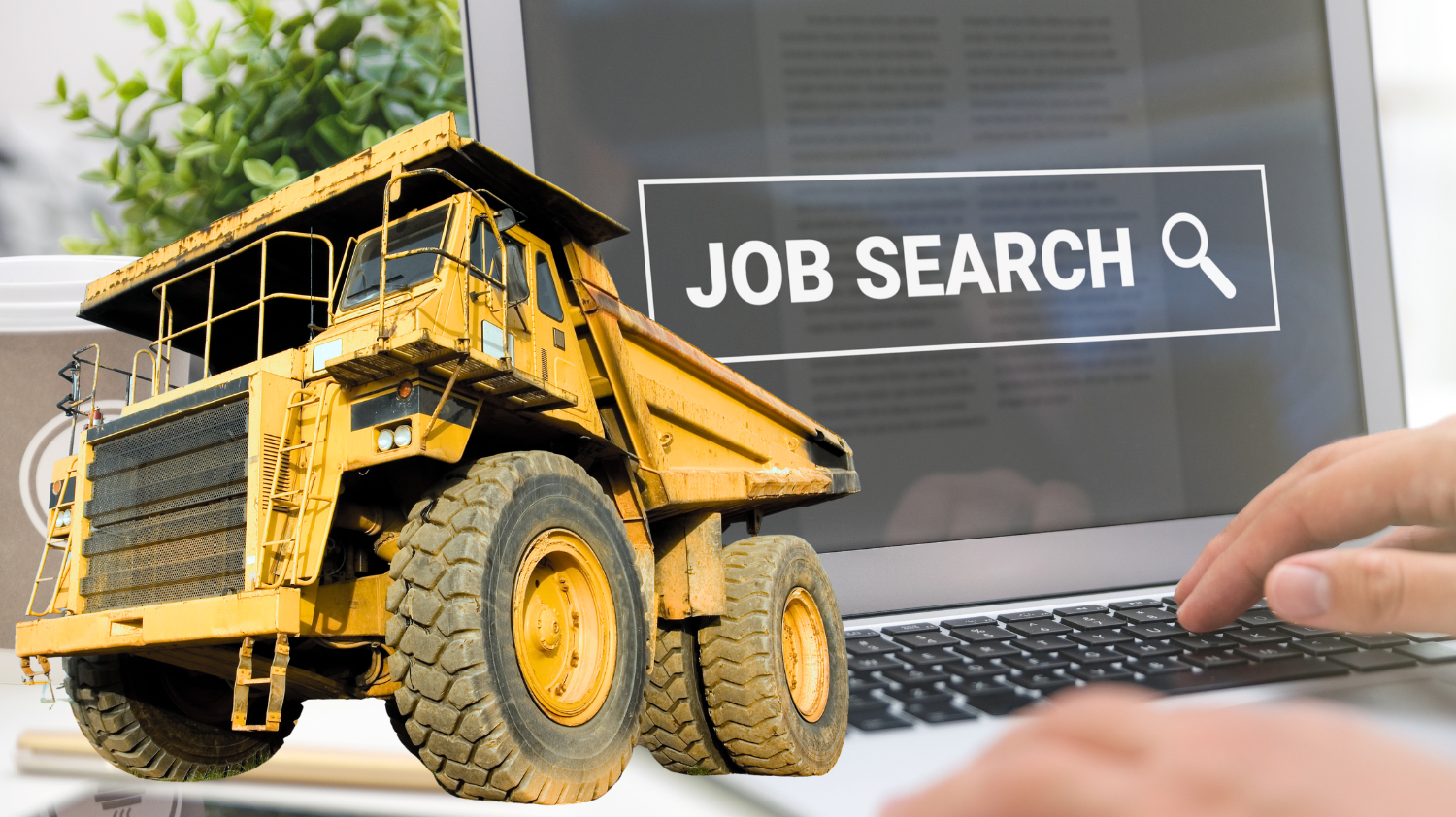
If you’ve been thinking about getting your start in mining, now’s the time. Quarter 4 is shaping up with plenty of entry-level opportunities across the country - from dump truck traineeships in WA to lab assistant roles in the Hunter Valley. Here’s where to look, what to search for, and how to get ahead.
1️⃣ Which search terms to use
There's more to entry-level roles than dump truck traineeships. There are many other types of roles that fly under the radar when job seekers think about search terms. Check out some of these roles below for some of the more unique pathways.
• Trainee operator: covers many types of machines, processing/fixed plant, and all-rounder roles (don't limit yourself to just dump/haul truck)
• Trade assistant: great if you're looking for exposure to maintenance work, or while waiting for an apprenticeship opportunity
• Service crew: involves installing services, hoses, cables etc, especially in underground operations
• Drillers offsider: the classic hands-on entry job, hard work but high turnover = constant openings
• Field assistant: supporting off-site work, collecting samples, setting up field camps, driving 4WDs
• Laboratory assistant: many positions available with mining companies and contractors, or can begin gaining experience with city/urban based companies
• Storeperson/warehouse: assistance with stock, logistics, purchasing, great if you have forklift experience
• Administrator/coordinator: competitive, but a great range of roles in site admin, projects, training, safety, and people/mobilisation
• Utility/camp/kitchen hand: a wide variety of roles in camp services, that can help provide lots of experience before getting a site-based role
• Bus driver: transporting workers between airports, villages, site gates, and operations - one of the easiest roles if you already hold an HR licence and relevant state passenger transport authorisation
2️⃣ Where to find job listings
Thousands of people use Seek and LinkedIn, where applications can get buried fast. By applying direct to the source via company websites, your profile is better tracked with internal systems, and your CV can be highlighted when future matches open up.
• Evolve Talent
• HAYS
• Mining People International
• Programmed
• WorkPac
• BHP
• Fortescue
• Glencore
• Macmahon
• Rio Tinto
3️⃣ What to expect
No hype, no sugar-coating. Your first role in mining won't be perfect. Here's what actually happens when you're starting out.
• Entry-level or greenie roles often start around $35-$45/hour, or roughly $90K-$110K per year once you're rostered on site. Traineeships or labour-hire positions may begin lower ($75K-$85K) while you're learning. Don't chase pay now - your first 6-12 months are about getting experience and site time, which lead to higher paying roles later on.
• Hiring takes time... a lot of time. You're not going to begin 2 weeks after your application. The entire process can take 4-8 weeks or longer, from call-back, through interviews, pre-employment checks, medicals, mobilisation and finally a start date. If a candidate pulls out half-way through, the process begins all over again, so don't be surprised if you receive a call regarding an application you submitted 6+ weeks ago.
• The industry is competitive right now, and employers will hire site-ready people over those who still need to get their requirements sorted. Start by covering the basics 100% - ATS-friendly CV, cover letter addressing the position criteria, and manual driver's licence at the very least. Any bonus tickets/licences/courses will help you stand out in a crowd of applicants. Having your police check ready, a white card, and basic mining induction (e.g. Standard 11 in QLD, generic safety courses in WA or elsewhere) is great. Add on tickets like working at heights, confined space entry and gas testing are helpful if relevant to the roles you're applying to - but don't spend time/money on these if you're applying to, say, a site admin role.
• Medical checks are thorough, and there may be weight restrictions for particular roles. You'll complete a pre-employment medical, drug and alcohol test. It's also common to include a functional capacity test (lifting, squats, grip strength), while some states/operations also require hearing, lung capacity, and blood testing. It's normal for this stage to take 2-3 weeks before you get final approval, and you may not be given any reason why/if you don't pass. Due to insurance and engineering reasons, some machines like dump trucks have strict weight limits to keep them stable - usually around 120kg - and it is not unlawful for an employer to reject a candidate due to this reason.
• You don't always get to choose your roster or site. Early on, you'll have to take what's offered - rosters, sites and fly-out days are set by the employer. Common rosters are 2:1, or 8:6/7:7, and some new starters (especially contractors or shutdown workers) rotate between sites or fill-in shifts. Once you've built site time and proven reliability, you may have the option to request preferred projects/rosters that fit your lifestyle.
Mining is one of the most rewarding careers you can build, but it’s also one of the most competitive. Knowing where to start and what to expect, can make all the difference.